HRI: United Nations Arts Initiative
Humanitarian
Intervention Initiative (H-II)
Exposure,
Strategic Planning,
Development and Implementation
CONTACT
Stephen
M. Apatow
Founder,
Director of Research & Development
Humanitarian
Resource Institute (UN:NGO:DESA)
Humanitarian University
Consortium Graduate Studies
Center
for Medicine, Veterinary Medicine & Law
Phone:
203-668-0282
Email:
s.m.apatow@humanitarian.net
Internet:
www.humanitarian.net
United Nations Arts
Initiative
Arts
Integration Into Education
Url:
www.unarts.org
H-II OPSEC
Url: www.H-II.org
CORE
INITIATIVES
IN THE
SPOTLIGHT
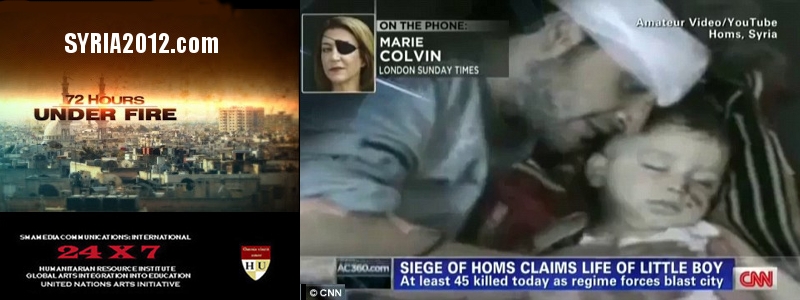
- Syria2012:
International Humanitarian & Security Discussions: HRI:UNArts
Humanitarian
Intervention Initiative.
- Human Rights
Day 2011 - Humanitarian Intervention Initiative (H-II):
HRI:UNArts
Humanitarian
Intervention Initiative, 10 December 2011.
- HRI:UNArts:
Reliefweb - Needs Based Strategic Planning: 14 November 2011.
- H-II:
Horn of Africa - Appeal to NATO - UN Security Council: HRI:UNArts Humanitarian
Intervention Initiative, 5 August 2011. Includes: HRI:UNArts:H-II - UN pleads with
airlines for famine help: HRI:UNArts Humanitarian
Intervention Initiative, 2 August 2011.
- H-II Appeal to Nobel Laureates
-
HRI: Humanitarian University Consortium: Humanitarian Resource Institute, 9
July 2011. Confronting an International
Economic/Humanitarian Emergency. HRI: International Disaster
Information Network.
- Apatow On U.S. Flood Relief
Efforts to
45,000 Deaths a Month in the Congo:
HRI:UNArts Humanitarian Intervention Initiative, 16 April 2011.
- H-II: Support for National Society
of Film Critics Statement On Jailed Iranian
Directors: HRI:UNArts Humanitarian
Intervention Initiative, 9 January 2011. See: H-II: Iran:
HRI:UNArts Humanitarian Intervention Initiative.
- H-II: Int. Response - Crimes Against Humanity -
Global Law Enforcement/Relief Intervention: HRI:UNArts Humanitarian
Intervention Initiative, 21 April 2010.
- H-II: Darfur: Rape as a Weapon of War - 17 Fold
Increase - Crimes Against Humanity: HRI:UNArts Humanitarian
Intervention Initiative, 16 April 2010.
- HRI: A Global Reference Point for Policy Development: HRI:UNArts Humanitarian
Intervention Initiative, 14 April 2010.
- UNArts:
H-II - Operation Incursion - G-192 Human Trafficking: HRI:UNArts Humanitarian
Intervention Initiative, 9 April 2010.
- UNArts: H-II - Saving 162,000
Children on the Streets in the United States: HRI:UNArts Humanitarian
Intervention Initiative, 7 April 2010.
- UNArts:
H-II - Human Trafficking of Children/Adults - Global Law
Enforcement/Relief Intervention: HRI:UNArts Humanitarian
Intervention InitiativeHRI:UNArts Humanitarian
Intervention InitiativeHRI:UNArts Humanitarian
Intervention Initiative, 5 April 2010.
.
|
|
"Non Lethal Fires" hearts and minds encompasses the new
international strategic focus for Humanitarian Intervention
with an objective of ending or reducing the suffering that is the
result of civil war, humanitarian crisis, or crimes of genocide. The
goal of humanitarian intervention is minimization of the suffering of
civilians in a particular state in accordance with
the Universal
Declaration of Human Rights (UDHR).
The Declaration was explicitly adopted for the purpose of defining the
meaning of the words "fundamental freedoms" and "human
rights" appearing in the United Nations Charter, which is binding on all member
states. For this reason, the Universal
Declaration is a fundamental constitutive document of the United
Nations. The 1968 United Nations International Conference on Human
Rights advised that it "constitutes an obligation for the members
of the international community" to all
persons. The declaration has served as the foundation for two
binding UN human rights covenants, the International Covenant on Civil and Political Rights
and the International Covenant on Economic, Social and
Cultural
Rights and the principles of the Declaration are elaborated in
international treaties such as the International Convention on the
Elimination of All
Forms of Racial Discrimination, the International Convention on the
Elimination
of Discrimination Against Women, the United Nations Convention on the
Rights
of the Child, the United Nations Convention Against Torture and many
more.
The focus of the H-II project
is global exposure, strategic planning, development, engagement and
stabilization of humanitarian emergencies. This spotlight targets the
vulnerable in efforts to engage an immediate international response. |
UN - NGO
Humanitarian Resource Institute
Human
Rights
Human
Rights Organizations
Relief
Operations
International
Law
Interfaith Support
|
Back to Humanitarian
Resource Institute I United Nations Arts Initiative
Copyright © 2011
Humanitarian Resource Institute. All rights reserved
|